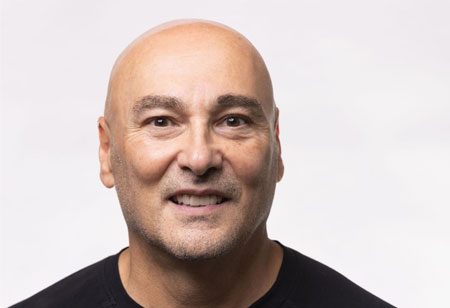


Mike Lee is Senior Manager of Supply Chain & Operational Excellence at Vital's International Group, where he leads operational improvement initiatives across supply chain, business development, and AI-enabled workflows. He specializes in process optimization, cross-functional execution, and building scalable systems that improve organizational performance.
Retail buyers are asking more from their product partners. Speed still matters, but speed alone is no longer enough. Successful launches now depend on cleaner formulas, stronger testing discipline, packaging that performs under real-world conditions, and documentation that gives retailers confidence before a product reaches the shelf.
That shift is especially visible in the personal care CPG sector. Vital's International Group views private label and co-packing support less as a simple filling service and more as an integrated product development model. The strongest partners help brands move from concept to validated product while reducing the late-stage surprises that delay launch dates.
Three developments are shaping the category right now.
First, formulation expectations are rising. Retailers and consumers want products that feel current, but they also want claims that are defensible. A shampoo, conditioner, serum, cream, or treatment product has to match the positioning promised on the label. That requires close coordination among brand direction, ingredient selection, bench development, and quality review.
Second, packaging has become a performance issue. A package is not just a visual choice. Pump output, closure compatibility, liner selection, bottle stiffness, fill weight, and product viscosity all affect the consumer experience. Testing these interactions early helps prevent leaks, separation, dispensing problems, and returns after scale-up.
Third, testing support has become a competitive advantage. In-house chemistry teams can help brands evaluate samples faster, refine formulas more precisely, and resolve stability or compatibility concerns before production. Working with specialized testing resources such as Benchmark Lab can add another layer of support when brands need analytical, compatibility, or validation work to support product decisions.
For retailers, the benefit is practical. A partner with formulation, quality, testing, packaging, and production experience operating under a coordinated process can shorten the number of revision cycles. That means fewer stalled submissions, fewer avoidable reformulations, and a clearer path from concept approval to purchase-order readiness.
The same discipline matters across beauty, personal care, and supplements. PURA D'OR represents the hair-care and personal-care side of the portfolio. FedPharm supports dietary supplement development and manufacturing, while Pristine's serves as a portfolio brand in that space. As these categories continue to overlap, retailers will increasingly look for partners that understand both consumer-facing brand expectations and the technical documentation required behind the scenes.
The next wave of private label growth will not be won by the lowest-cost filler alone. It will be won by partners that can help retailers protect quality, validate claims, solve packaging issues early, and scale production without losing control of the details.
The brands that succeed will treat product development as a system. They will align formula, packaging, testing, claims, and production before launch pressure builds. In a faster retail market, that discipline is what turns a good product idea into a shelf-ready program.
Retail buyers are asking more from their product partners. Speed still matters, but speed alone is no longer enough. Successful launches now depend on cleaner formulas, stronger testing discipline, packaging that performs under real-world conditions, and documentation that gives retailers confidence before a product reaches the shelf.
That shift is especially visible in the personal care CPG sector. Vital's International Group views private label and co-packing support less as a simple filling service and more as an integrated product development model. The strongest partners help brands move from concept to validated product while reducing the late-stage surprises that delay launch dates.
Three developments are shaping the category right now.
First, formulation expectations are rising. Retailers and consumers want products that feel current, but they also want claims that are defensible. A shampoo, conditioner, serum, cream, or treatment product has to match the positioning promised on the label. That requires close coordination among brand direction, ingredient selection, bench development, and quality review.
Second, packaging has become a performance issue. A package is not just a visual choice. Pump output, closure compatibility, liner selection, bottle stiffness, fill weight, and product viscosity all affect the consumer experience. Testing these interactions early helps prevent leaks, separation, dispensing problems, and returns after scale-up.
-
The next wave of private label growth will not be won by the lowest-cost filler alone. It will be won by partners that can help retailers protect quality, validate claims, solve packaging issues early, and scale production without losing control of the details.
Third, testing support has become a competitive advantage. In-house chemistry teams can help brands evaluate samples faster, refine formulas more precisely, and resolve stability or compatibility concerns before production. Working with specialized testing resources such as Benchmark Lab can add another layer of support when brands need analytical, compatibility, or validation work to support product decisions.
For retailers, the benefit is practical. A partner with formulation, quality, testing, packaging, and production experience operating under a coordinated process can shorten the number of revision cycles. That means fewer stalled submissions, fewer avoidable reformulations, and a clearer path from concept approval to purchase-order readiness.
The same discipline matters across beauty, personal care, and supplements. PURA D'OR represents the hair-care and personal-care side of the portfolio. FedPharm supports dietary supplement development and manufacturing, while Pristine's serves as a portfolio brand in that space. As these categories continue to overlap, retailers will increasingly look for partners that understand both consumer-facing brand expectations and the technical documentation required behind the scenes.
The next wave of private label growth will not be won by the lowest-cost filler alone. It will be won by partners that can help retailers protect quality, validate claims, solve packaging issues early, and scale production without losing control of the details.
The brands that succeed will treat product development as a system. They will align formula, packaging, testing, claims, and production before launch pressure builds. In a faster retail market, that discipline is what turns a good product idea into a shelf-ready program.